
|
Rotterdam
KLINGER The NetherlandsNikkelstraat 2 3067 GR Rotterdam
Elsloo
KLINGER Service Center LimburgBusiness Park Stein 208A 6181 MB Elsloo
Velsen-Noord
KLINGER The NetherlandsRooswijkweg 200 1951 MD Velsen-Noord
Moordrecht
Hadro TechnologySouth Lane 351 2841 MD Moordrecht
BREDA
ConovalveMinervum 7386 4817 ZH Breda |

Energy
Energy Solutions
For safe and efficient production
The energy transition requires more than just new energy sources. Behind every reliable energy supply lies a technical system in which generation, distribution, and consumption are seamlessly integrated. From collective heat generation and district heating to hydrogen, geothermal energy, biomass, and circular heat: every application places high demands on safety, reliability, and service life.
At KLINGER Energy Solutions, we support engineering firms, OEMs, skid builders, and manufacturing companies with expert advice and high-quality components. Thanks to decades of experience, we assist in the design, implementation, and optimization of energy systems that continue to function reliably even under the most demanding conditions.
Energy Solutions in Focus
From power generation and distribution systems to New Energy.
Discover how KLINGER Solutions contributes to safe, reliable, and future-proof energy systems through its expertise, consulting services, and high-quality components.
Customer Case Studies
Browse our products by application
From power generation to reliable distribution
Heat is one of the most important forms of energy in the energy transition.
District heating makes it possible to make optimal use of sustainable heat sources. By generating heat centrally and then distributing it via district heating systems, more efficient energy systems are created that produce lower emissions and make optimal use of available energy sources.
Heat can come from sources such as:
- Waste Incineration
- Geothermal Energy
- Biomass
- Residual Heat
- Heat Pumps
- Electric water heaters
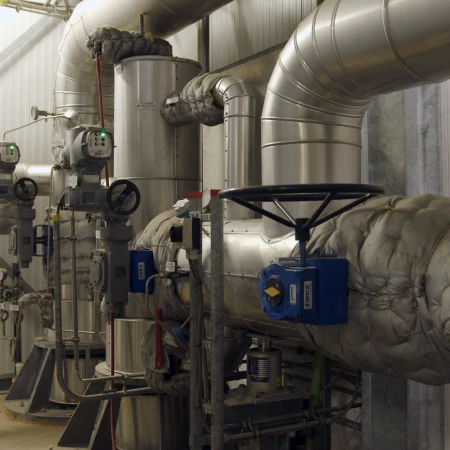
Within this complete thermal chain—from generation to distribution and use—pressure, temperature, contamination, and chemical resistance play a crucial role. Selecting the right components therefore requires specialized knowledge and years of practical experience.
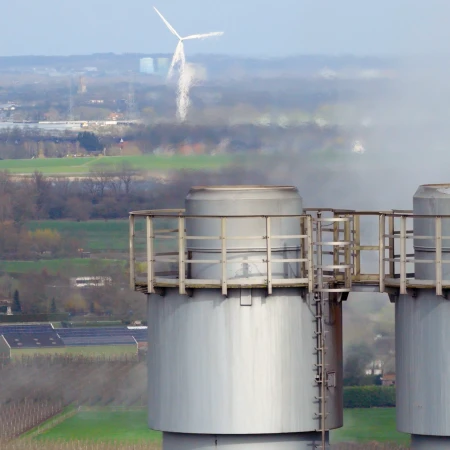
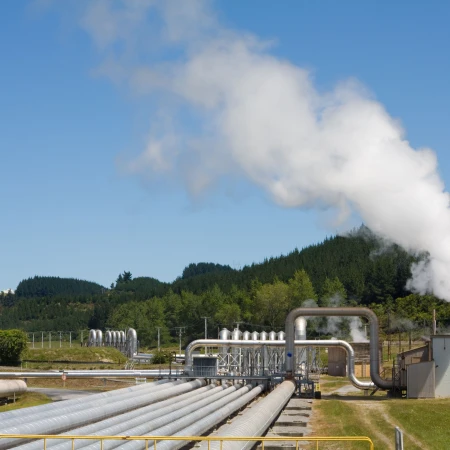
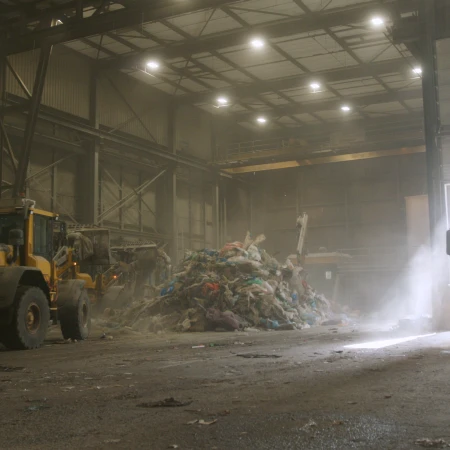
Heat and Energy Distribution Systems
Designed to last for decades
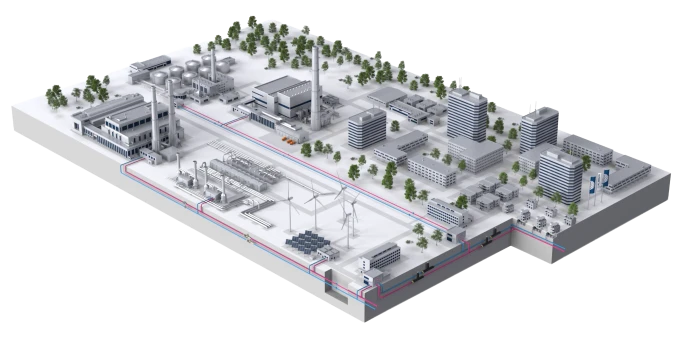
A district heating network is typically an investment that lasts more than 25 years. For engineering firms that design and optimize distribution systems, reliability is therefore essential. A distribution system consists of two main components.
Primary Distribution The primary distribution system is largely underground. Hot water is transported from the heat source to residential areas and industrial sites via large, well-insulated pipes at high temperatures and pressures. Because repairs are costly due to excavation work and downtime, choosing high-quality components is crucial. You don’t want to take any risks here.
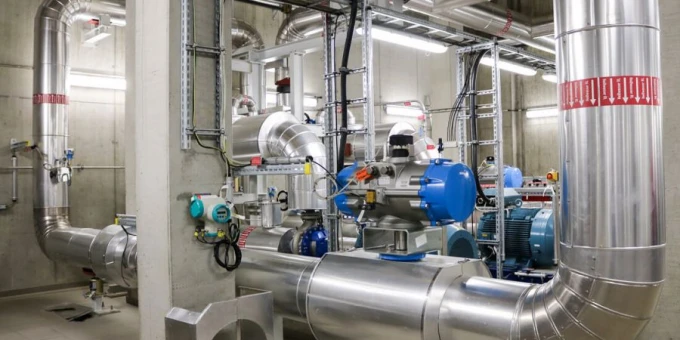
Secondary Distribution In the secondary distribution system, heat is safely distributed to buildings and homes. These systems operate at lower temperatures and pressures, but still place high demands on safety, controllability, and reliability.
Engineering from the very first sketch
KLINGER doesn't just get involved once a system has been built. It is precisely during the engineering phase that the choice of components and materials makes all the difference.
We provide advice on:
- Flow and System Design
- Choice of Materials
- Reliability
- Maintenance
- Safety
- Lifetime
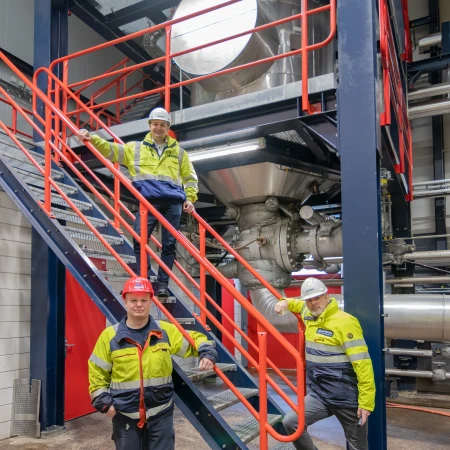
In addition, we provide support for the modernization of existing distribution systems when new technologies or changes in legislation require it. OEMs and skid builders can also count on our expertise and product specialists during the development of new installations.
Power Generation for Manufacturing Companies
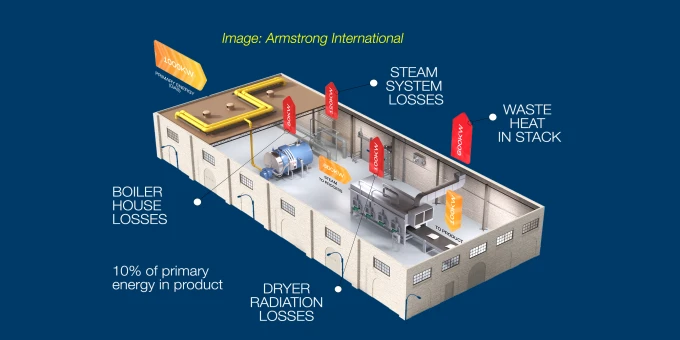
For manufacturing companies with steam systems, there is a significant opportunity in making optimal use of heat. Consider, for example:
- Waste Heat Recovery
- Waste to Heat
- Circular Thermal
- Energy Efficiency
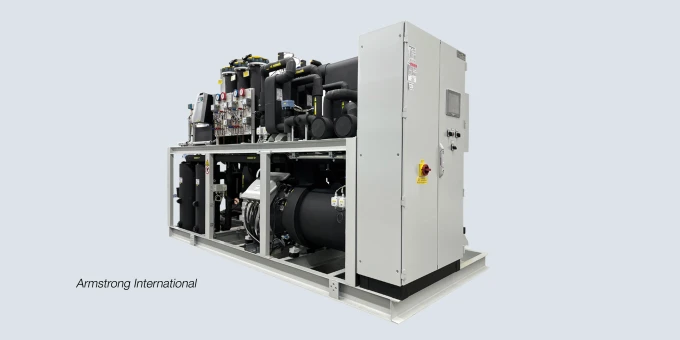
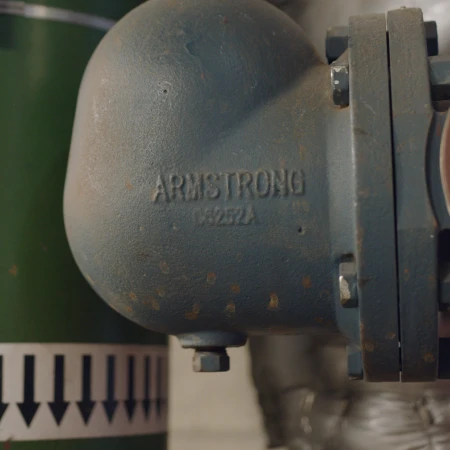
Together with Armstrong International, we help companies improve their thermal processes and maximize the reuse of waste heat. This enables companies to reduce both their energy consumption and their CO₂ emissions.
New Energy
The energy transition is evolving at a rapid pace. New applications such as:
- Hydrogen
- Ammonia
- Geothermal Energy
- Battery Storage
- Heat Storage
- Electric water heaters
require new materials, new technologies, and new insights. No one knows exactly what the energy system will look like in ten years. That is precisely why experience is so important. KLINGER has decades of practical experience with specialized product knowledge. This enables us to support customers with both proven technologies and innovative New Energy projects. We work with you to address the sealing, control, and separation of new media and processes, ensuring that your systems operate safely, reliably, and are future-proof.
Products for the Energy Transition
The Right Components for Every Application
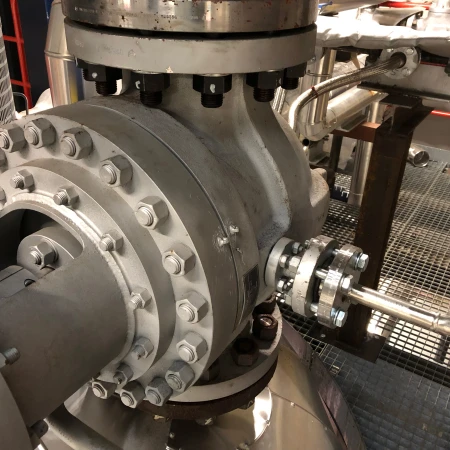
For all our energy applications, we supply high-quality valves, fluid control equipment, control valves, seals, hoses expansion joints for harsh operating conditions such as district heating, hydrogen, geothermal energy, waste heat, heat storage, biomass, and CO₂ storage.
Why choose KLINGER Energy Solutions?
- Specialist in Heat and Energy Distribution
- Consulting Starting from the Engineering Phase
- Partner for engineering firms, OEMs, and manufacturing companies
- High-quality products for high temperatures and high pressures
- New Energy Specialist
- Decades of practical experience
- Reliable solutions for a long service life
We provide solutions for the following energy sectors:





Our services to optimize your production system
Working Together on the Energy Transition
Whether you’re working on a new district heating network, a hydrogen project, a geothermal installation, or the optimization of an existing energy system, the specialists at KLINGER Solutions are happy to work with you to find the right solution. Contact us for a no-obligation consultation or discover our solutions for your energy project.
For more information about our products and services for the energy industry, please contact:


Demian Nouwens
Product Specialist Energy Management, Steam Solutions



Documents & videos

Frequently Asked Questions
I have a specific question:
